
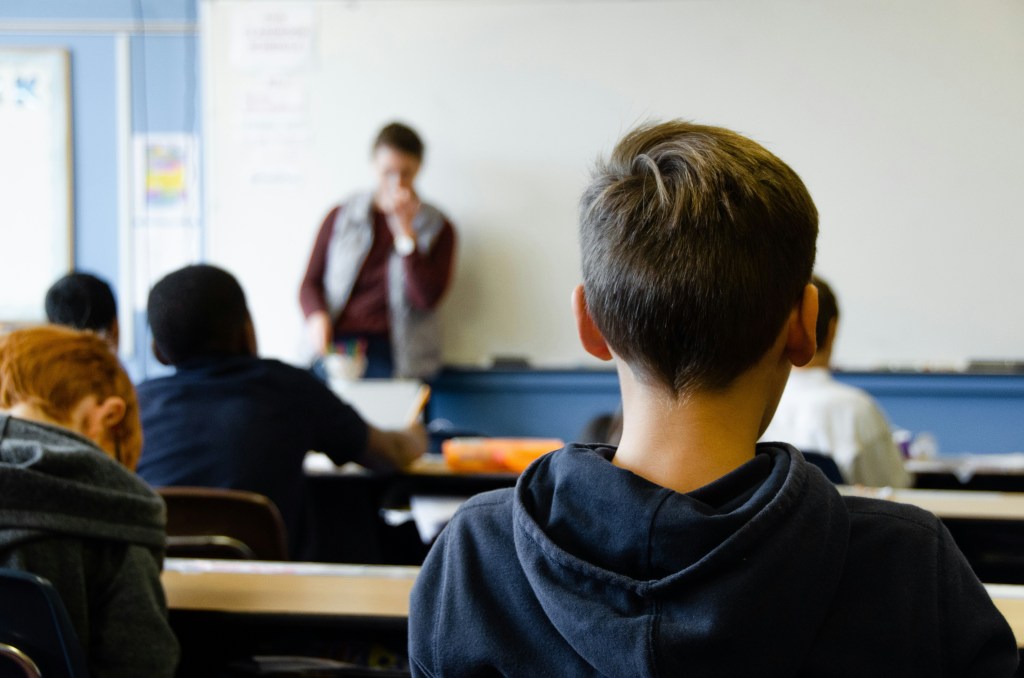
The Student Alliance 4 Inclusion has taken a deep dive into the policy commitments to inclusive education of Australian political parties and candidates at this federal election.
At this election, we call upon Australians voters to cast their ballot with inclusive education in mind, and we call upon all politicians to make stronger commitments towards the progressive realisation of inclusive education, and to follow through on those commitments.
At this election, we call for:
1. National Roadmap to Inclusive Education
The SA4I wants the Australian government to lead the adoption, with all States, of a National Roadmap to Inclusive Education. This roadmap outlines, with a timeline, the policy and practical actions that should be taken to transition Australia to a fully inclusive education system and phase out segregated education for students with disability. The SA4I supports adopting the Australian Coalition for Inclusive Education (ACIE) Roadmap (www.acie.org.au).
2. Legal Right to Inclusive Education
The SA4I calls on the government to ensure there is a legally protected right for students with disabilities to receive an inclusive education in Australia. Education and disability discrimination legislation must include a strong and clear statutory right for students with disability to have an inclusive education – while the CRPD was ratified in 2008, there is still no domestic legal protection at national or State level.
3. Resourcing Schools to Realise Inclusion
Schools have to be properly supported and funded so they have the resources to include students properly. That means re-directing funding away from segregation and towards inclusion and ensuring that all schools (especially public schools which have been historically underfunded, as identified by the Gonski review) receive adequate funding support inclusive practice.
4. National Body to Ensure Compliance
There must be a national body properly and specifically empowered to ensure the right to inclusive education is upheld. There must be robust and transparent investigations of violations of the rights and prompt and effective remediation and accountability for violations of the right, to ensure real compliance.
5. Data Collection to Ensure Equal Outcomes
Data should be collected to monitor the participation and successes of students with disability. Schools need to be collecting disaggregated data to see how students with disability are being included relative to their non-disabled peers. This data on matters like attendance, suspensions, exclusions and school enjoyment levels allows schools to monitor whether they are meeting the required standard of a high quality, inclusive education, but also allows schools to see the data of other schools that are meeting the standard, to see how they can improve their own practices.
Access our full election breakdown to see where Australian parties/politicians stand on inclusive education!

 Sa4i Student Alliance 4 Inclusion